מייסדת ומנהלת consult4good, חוקרת תרבות, מרצה ומנחה ומספרת סיפורים לשינוי חברתי.
Founding Director, Consult4good & Impact Storytelling. Believes that change begins when silence is broken
מיום שפתחתי את הבלוג הזה, סיפורים לשינוי חברתי, הקפדתי שלא לספר סיפורים של אחרות/ים במקומם/ן. לספר סיפור הוא מעשה של סוכנות, של היות בעולם, של יצירת ידע חדש בעולם, והוא צריך להיות מסופר על ידי מי שחי/ה אותו. ובזו תמה ההקדמה והנה סיפורה של אישה שביקשה לקרוא לעצמה ש.
אני עומדת מולך עם גוף יפה וחצאית קצרה. אתה בוחר אותי כי אני לטעמך. שורף את הארנק ומשלם כסף תמורת "שרותי מין". נכון שאני מחייכת ונכון שנראה לך שאני נמשכת אליך ושאני חושבת שאתה חתיך ומושלם. בעצם זה רק נראה לך ורק נדמה, אני רואה אותך כארנק ומחכה שהאקט יסתיים במהירה. בזמן האקט המיני אני עוצמת את העניים ומזייפת גמירה בכדי שתעזוב אותי ואת הגוף שלי בשקט. אתה בכלל לא מושך ובטח ובטח לא מושלם, אתה נוגע בי ואני בך ללא רגשות, ללא הכרות. אתה אפילו לא יודע את שמי האמיתי.
כדי לשכוח את האקט המיני והמגעיל איתך, אני משתמשת באלכוהול ובסמים. מתמכרת. את הסמים והאלכוהול אני קונה בכסף ששילמת לי תמורת האקט. אני נגעלת ממך ומהגוף שלי. אני מבקשת שתשים קונדום אבל אתה מציע לי כסף נוסף כדי שאהיה איתך בלי קונדום. מי יודע במה הדבקת אותי. תקופה ארוכה התביישתי בגוף שלי למרות שהוא יפה, הרגשתי שזה לא הגוף שלי אלה שלך, עד שיום אחד עשיתי מעשה והתקלחתי עם אקונומיקה. לא יכולתי לסבול את הגועל. הכוויות שהופיעו אז על הגוף הן הכוויות שהיום צורבות את נשמתי. איבדתי את הזהות וכמעט את החיים.
היום אני כבר נקיה מסמים וממך. שנים ארוכות יעברו עד שאשתקם מהזנות. קוראים לזה פוסט טראומה. התרחקתי מגברים וניהלתי מערכות יחסים עם נשים, מצבי רוח משתנים, תוקפנות, עצבנות, דיכאון, רזיתי בצורה מפחידה, חברות התרחקו כי אף אחת לא רוצה להסתובב עם אחת שהיתה בזנות. פלאשבקים וסיוטי לילה שגורמים לי לחרדות, כדורי הרגעה, כדורים כדי להירדם. כשאני לבד אני מרגישה שנוגעים בי. לפני שאני נכנסת למיטה, אני בודקת שהבית סגור. לא מתקלחת לפני שבודקת שכל הבית נעול. כשאני שוטפת כלים, מגע המים על הידיים מזכיר לי את הידיים שנגעו בי וזיעה קרה שוטפת אותי.
אתה חושב שאם אתה משלם אז הכל בסדר, אבל הכסף הזה טמא ומתנדף במהירה. לפני שאתה מתקשר לבית הבושת כדי לנצל אישה ששם רק כי היא במצוקה, תחשוב על מה שקראת פה ואולי תחליט שאתה לא רק גבר אלא אתה גם בן אדם ותניח את הטלפון במקום.
Earlier this week we lost Buja, our mixed breed ravishing dog, who has been with us for the last 17 years. She was a part of us, of our family, and we loved her dearly. As she got older, it became increasingly difficult and painful for her to walk, yet she continued to walk around the house, simply because she wanted to be near us. This blog post – and Daniel's illustration – are dedicated to her.
SWEAT
This blog post had a difficult birth. I had the thread of an idea, but I didn’t know where to take it. I needed some stories to help me make sense of it and some time to mull things over and process the raw material.
As happens from time to time, it started with a flash, a fragmented thought. A few weeks ago a sentence got stuck in my mind and refused to leave me in peace, demanding that I respond.
Never Let Them See You Sweat
This catch-phrase – a slogan from an advertisement for deodorant – came from nowhere and refused to budge until I gave it the time and reflection it deserves. Above all – until I worked out why it had popped up in front of me in the first place.
I embarked on a dialogue with this phrase.
“To start with – why? Why should we never let people see us sweat? Everyone does it, don’t they? It’s just the body’s natural and healthy way of cooling itself and releasing toxins. So why should we keep it a secret? Why should we pretend that we don’t do that?”
“What do you want from me,” the sentence retorted. “I’m just a punch line in an advertisement. Maybe you need to work out why I’m bothering you so much.”
The pest of a sentence was right, of course. It wasn't about him, but me. He came to bother me while I was preoccupied with thoughts about sweat. The sweat that comes from a real effort – a physical effort, a mental effort, the effort of thought. I was thinking about sweat that pours out in an attempt to contain and process the sadness and countless emotions aroused by various events and encounters that have shaken my soul, on the personal and the political levels.
So as happens from time to time, writing became a process of deciphering. Sweat became a metaphor, a symbol representing something else. Maybe tears or sadness. In short – an effort of the heart. And in the end that is what was written: Sweat. Sadness. Effort.
Sweat
“You’ll feel a slight sense of pressure in your lower back.” If I remember rightly, that’s how Sheila Kitzinger, the high priestess of birth preparation books, described the pain of contractions 25 years ago. “Yeah, right,” I thought to myself while crouching on all fours, a small elephant in a cat/dog Yoga position on the lawn outside the delivery room at Hadassah Ein Kerem Hospital. I tried to “breathe over the contraction, following Kitzinger's teachings. “Pressure in your lower back” didn’t even begin to describe my feelings just before entering the delivery room: enormous excitement, fear, and a realization that something big was going on inside me and in my life.
“When breastfeeding, it’s important to consume a large quantity of liquids,” I read in the same book, after returning home with my treasure, my first son, in my arms. Why not just say that women who have just given birth sweat like racehorses?
The first visit to the mother and child clinic was a really special day. Daniel, the new stroller, and I made our way up the steep road to the clinic. Daniel, the stroller and I – together with flowing streams of sweat. By the time I got to the clinic I was soaking wet. Beads of sweat covered my eyes, smudging my carefully-applied makeup and filling my mouth with a salty taste.
My sense of excitement at this new first was muted by a sense of tremendous vulnerability before the wiry, efficient, and bone-dry nurse with her judgmental gaze. Maybe she wasn’t really judgmental and it was just me, with my new mother vulnerability, who felt that.
Sadness
“Tell me, do you have something against sadness?” the flight attendant asked me as we served out food and drinks on a plane full of passengers and not full enough of oxygen headed for New York. He added a hint of a smile to show that he was aware of his own charm. Even at a distance of 30 years, I must admit that this is one of the better pickup lines I’ve heard. A combination of the professional humor of flight attendants and a pretension to understand the complex soul of women who love tormented men…
Sadness is a wonderful word – poetical, creating associations of a thread of sorrow, melancholy, soft grayness, malaise. The sweat of the soul that seeks to cool itself and rid itself of toxins.
Never Let Them See You Sad
That’s an advertisement slogan they haven’t used yet. Anyway, no elixir or medicine can really cure sadness. Like sweat, sadness is the body’s totally natural reaction to pain, injustice, and cruelty. Sadness is anger’s melancholy sister, the one that turns its energies inwards.
I’d guess that almost every language in the world has a word for sadness. How many poems must have been written in all these languages about sadness? Thousands, if not more.
Anyway, it strikes me how rarely I use that word in the context of my work. That’s why they invented words such as fascinating, complex, moving, and challenging. As if sadness is something that doesn’t have its own place in the context of struggles for social change.
Effort
“By the sweat of your brow you will eat bread.” This is the terrible punishment God imposes on Adam and Eve as they are expelled from the Garden of Eden. They won’t enjoy the fruit-laden trees any more. Effort – that’s the punishment for their lust for knowledge. Their curiosity. Their subversion. Their disobedience. Effort and sweat. If Adam and Eve had only been more obedient and less curious, we would all still be living in Eden without effort and without sweat. And without knowledge.
It took me years to accept effort lovingly – not to be afraid or ashamed of it. Not to be angry with myself when things don’t work out. After all, nothing important ever comes easily. Letting go never comes easily. Neither does love, learning, or acceptance – and certainly not change.
Even so, in the hundreds of grant proposals I’ve written and read over the years, I’ve never seen anyone write: “Inequality (or oppression, racism, violence…) is a serious social problem that makes us very sad. Sometimes this sadness is so profound that for a moment it challenges our belief in our ability to change things. It demands that we invest almost superhuman efforts, to sweat, to neglect our loved ones, and to argue with those closest to us. But we care too much, and we would never thinking of abandoning the struggle. So we will continue to make an effort, to sweat, and to get angry – so that we can change things. We’ll be delighted if you see fit to support us…”
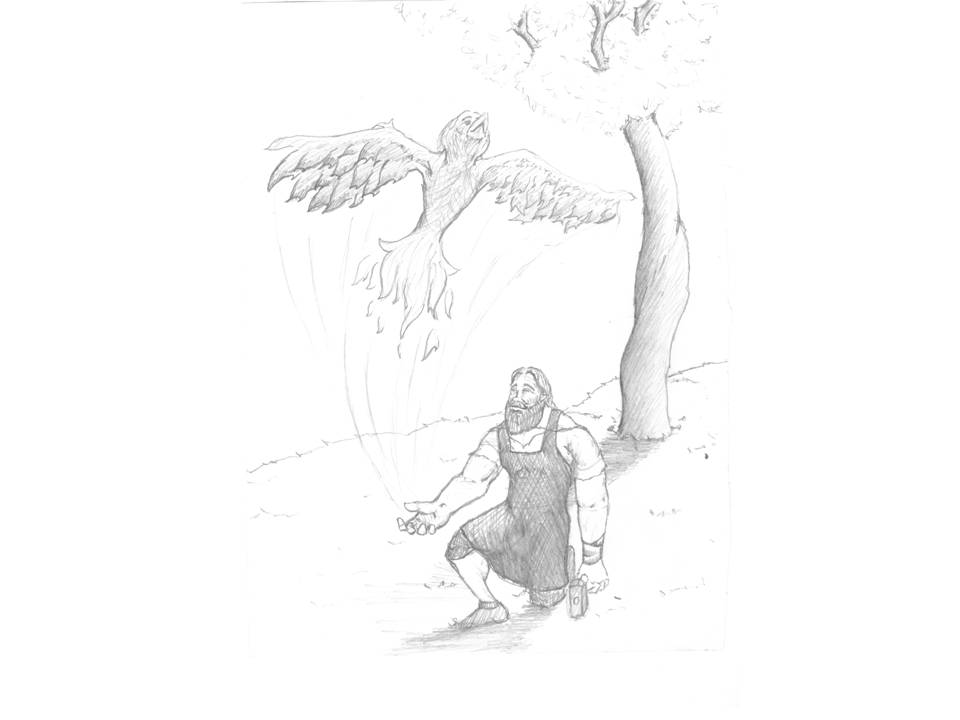
Effort: in memory of a beloved dog. Illustration by Daniel Gouri De Lima
In a soft, circular movement
The twilight hours are the best time for sweet sadness. Late on Friday afternoon, Jerusalem is so quiet. I can hear Dana, our splendid black Labrador, biting her own feet energetically. Outside the last birds are singing.
All around me is quiet now and I can listen to the sadness. A sadness that is sometimes the product of the gap between what we manage to do and what’s still left to be done. A sadness born of longing, of something stolen that cannot be regained. A personal sadness and a political sadness at the way of the world.
I began writing in sadness at a phrase from an advertisement, and I end in a soft, circular movement. I gather in my pain, sorrow, sweat, and effort together with those of the people who touch my heart during the encounters this work sparks. Yes: I choose to end this process of writing with a soft, circular movement. Because compassion is a political act toward ourselves and toward others. It is born of the sad realization that so much needs to be repaired here. There is no reason for us to waste our energy trying to pretend that we aren’t sweating or that we aren’t in pain.
הרשומה הזו נכתבה לפני כמה שנים, בשבוע בו נפרדנו מבוז'ה, כלבת הזאב המעורבת שלנו, אחרי 17 שנים שהייתה חלק בלתי נפרד מאיתנו, ממשפחתנו. בשנתה האחרונה היא התקשתה כבר ללכת, אך התעקשה להמשיך ולהסתובב בבית, להיות חלק מהעניינים ובעיקר להיות לידנו. הרשומה הזו והאיור המרהיב הזה של דניאל מוקדשים לה באהבה.
הרשומה הזו נולדה במאמץ רב. היה לי קצה חוט ולא ידעתי לאן לקחת אותו. הייתי צריכה סיפורים שיעזרו לי "לעשות שכל", למולל את הדברים, לעבד את חומרי הגלם.
כמו שקורה לא פעם, גם הפעם זה התחיל בהבזק, בחלקיק מחשבה. לפני כמה שבועות, כשמשפט מסוים התיישב לי בראש וסירב לעזוב ולתת מנוח. דורש ממני התייחסות.
Never Let Them See You Sweat
המשפט הזה, סיסמא של פרסומת לדאודורנט, הגיע כאילו משום מקום וסירב להתפנות, עד שאקדיש לו את הזמן והמחשבה הראויים לו. עד שאבין למה הוא צץ שם מלכתחילה.
התחלתי לנהל איתו שיחות.
– למה? למה בעצם אסור שייראו אותנו מזיעים/ות? כולם/ן עושים את זה, לא? זו הרי דרכו הטבעית והבריאה של הגוף לקרר את עצמו, לשחרר רעלים. למה צריך לשמור את זה בסוד? להעמיד פנים שלנו זה לא קורה?
– מה את רוצה ממני, אמר לי המשפט. אני בסך הכול שורת מחץ מפרסומת. אולי תבדקי עם עצמך למה אני מטריד כך את מנוחתך.
והוא צדק, כמובן, הנודניק. זה לא היה קשור אליו, אלא אליי. הוא בא לטרוד את מנוחתי בימים שהייתי עסוקה במחשבות על זיעה. על זיעה שבאה ממאמץ גדול. ממאמץ של הגוף, של הנפש, של המחשבה. כן, הייתי עסוקה במחשבות על זיעה שניגרת מתוך מאמץ להכיל ולעבד את העצב ושלל הרגשות המתעוררים בעקבות אירועים ומפגשים המטלטלים אותי אישית ופוליטית.
אז כמו שקורה לא פעם, הכתיבה הפכה לתהליך של פענוח. הזיעה הפכה לדימוי, לסמל, למשהו שאומר משהו אחר. אולי דמעות. אולי עצב. בקיצור, מאמץ של הלב. ובסוף זה מה שנכתב: זיעה. תוגה. מאמץ.
זיעה
"תחושי לחץ קל בגב התחתון", נדמה לי שכך תיארה שילה קיצינגר, הכוהנת הגדולה של ספרי ההכנה ללידה לפני 25 שנה, את כאבי הצירים. כן, בטח, חשבתי לעצמי בעודי עומדת על ארבע, פילה קטנה בתנוחת חתול/כלב על הדשא שמחוץ לחדר הלידה בהדסה עין כרם, מנסה "לנשום מעל לציר", נושאת בטן עצומה של 42 שבועות. "לחץ בגב התחתון" לא התחיל אפילו לתאר את מכלול הרגשות שהרגשתי, דקות לפני הכניסה לחדר הלידה: התרגשות עצומה, פחד והבנה שמשהו גדול מתחולל בתוכי ובחיי.
"בתקופת ההנקה חשוב לצרוך נוזלים רבים". קראתי באותו ספר, אחרי ששבתי הביתה ואוצרי, בני הראשון, בזרועותיי. למה שלא פשוט תגידו שנשים אחרי לידה מזיעות כמו סוסות מירוץ?
היה זה יום חגיגי במיוחד. ביקור ראשון בטיפת חלב. דניאל, העגלה החדשה ואני, במעלה הרחוב התלול המוביל לטיפת חלב. דניאל, העגלה, אני ופלגי זיעה ניגרים. הגעתי לטיפת חלב ספוגה ורטובה. טיפות זיעה זרמו על עיניי ומרחו את האיפור הגיגי ומילאו את פי בטעם מלוח.
תחושת ההתרגשות החגיגית נמהלה בתחושת פגיעות עמוקה מול האחות הצנומה, הנמרצת והיבשה מאוד. ומול ומבטה השיפוטי. ואולי הוא לא היה שיפוטי כלל, ורק אני, בפגיעות של אמא טרייה, חשתי כך.
תוגה
"תגידי, יש לך משהו נגד תוגה?", שאל אותי הדייל שעבד לצדי בחלוקת אוכל ומשקאות למטוס עמוס נוסעים ודל בחמצן בדרך לניו יורק. ברמז של חיוך שמודע לשרמנטיות של עצמו. גם במרחק של 30 שנה אני חייבת להודות שזה אחד ממשפטי הפתיחה היותר מוצלחים ששמעתי. שילוב של הומור פנימי של א/נשי צוות אוויר ויומרה להבין לנפשן הנפתלת של נשים שאוהבות גברים מיוסרים…
תוגה היא מילה נפלאה, פיוטית. מילה של חוט של עצב, מלנכוליה, אפרוריות רכה. דכדוך, מועקה. הזיעה של הנפש המבקשת לקרר את עצמה, לשחרר רעלים.
Never Let Them See You Sad
עוד לא המציאו פרסומת כזו. בכל מקרה, אף תכשיר או תרופה לא באמת יכולים למגר עצב. כי עצב, כמו זיעה, הוא תגובה טבעית כל כך של הנפש לכאב, לעוול, לאכזריות. עצב היא האחות המלנכולית של הזעם. זו שמפנה את האנרגיות שלה פנימה.
אני מנחשת שלעצב יש מילה כמעט בכל שפה עלי אדמות. כמה שירים נכתבו בשפות האלה על עצב. אלפים, ובטח יותר.
ובכל זאת, אני חושבת, אני כל כך ממעטת להשתמש במילה הזו בהקשר של העבודה שלי. בשביל זה המציאו מילים כמו מרתק, מורכב, מרגש, מאתגר. כאילו עצב הוא דבר שאין לו מקום בהקשר של מאבקים לשינוי חברתי.
מאמץ
"בזיעת אפיך תאכל לחם", זה העונש הנורא שהטיל ה' על אדם וחווה שגורשו מגן העדן. לא עוד עצים שופעי פרי. המאמץ. זהו העונש על התשוקה לדעת. על הסקרנות. על החתרנות. על אי הציות. מאמץ וזיעה. כי הרי אם היו אדם וחווה צייתנים יותר וסקרנים פחות, כולנו עוד היינו חיים/ות בגן עדן בלי מאמץ ובלי זיעה. ובלי ידיעה.
לקח לי שנים לקבל את המאמץ באהבה. לא לפחד ממנו ולא להתבייש בו. לא לכעוס על עצמי כשדברים לא באו או לא הצליחו. דברים חשובים באמת הרי לא באים בקלות. ויתור לא בא בקלות. אהבה גם לא. למידה לא באה בקלות. קבלה לא באה בקלות. שינוי בטח שלא.
ובכל זאת, בכל מאות בקשות המענק שכתבתי וקראתי במהלך שנות עבודתי, לא נכתב משהו כזה: "אי שוויון (או דיכוי, גזענות, אלימות) הוא בעיה חברתית קשה שמעוררת בנו עצב גדול. לפעמים העצב הוא כה עמוק שהוא מערער לזמן מה את האמונה ביכולת שלנו לשנות את המצב. זה דורש מאיתנו להשקיע מאמצים כמעט אל-אנושיים, להזיע, להזניח את היקרים/ות לנו ולריב עם הקרובים/ות לנו ביותר. אבל אכפת לנו הרבה יותר מדי ולא עולה בדעתנו לוותר ולכן נמשיך להתאמץ ולהזיע ולהתעצב כדי לשנות. נשמח אם תמצאו לנכון לתמוך בנו… "
מאמץ: לזכר כלבה אהובה. איור: דניאל גורי דה לימא
בתנועה מעגלית רכה
שעות בין הערביים הן השעות הכי טובות לתוגה. ירושלים של יום שישי בין הערביים שקטה כל כך ואני שומעת את דנה, כלבת הלברדור השחורה והמרהיבה שלנו נושכת לעצמה את כפות הרגליים במרץ. בחוץ יש גם ציוצים אחרונים של ציפורים.
יש עכשיו שקט מסביב ובתוכו אפשר להקשיב לעצב. עצב שנולד לפעמים מהפער בין מה שאנו מצליחות/ים לעשות לבין מה שעוד מחכה שנעשה. עצב שנולד מגעגוע, ממה שנגזל ולא ניתן להשיב. עצב אישי ועצב פוליטי על דרכיו של עולם.
התחלתי את הכתיבה בעצבים על איזה משפט מפרסומת ואני מסיימת אותו בתנועה מעגלית רכה. אוספת אליי את הכאב ואת העצב ואת הזיעה ואת המאמץ שלי ושל הא/נשים שנכנסים/ות ללבי במפגשים שהעשייה הזו מזמנת לנו. כן, אני בוחרת לסיים את תהליך הכתיבה הזה בתנועה מעגלית רכה. כי חמלה היא אקט פוליטי. חמלה היא אקט פוליטי כלפי עצמנו וכלפי הזולת. היא נולדת מהמועקה שיש כל כך הרבה לתקן כאן ואין שום סיבה שנשקיע אנרגיות בלהעמיד פנים שאנחנו לא מזיעים/ות או שלא כואב לנו.
Dedicated to the memory of Imani, Madlene, Lama, Eden and Yahav, and the little boy and girl from Jerusalem.
Difficult stories are difficult to tell and difficult to hear.
Difficult stories make us want to look away and block our ears.
Difficult stories make us want to keep our distance. To tell ourselves that it won’t happen to us; that it’s a very extreme case… an exaggeration… the product of insanity.
Difficult stories expose us to unspoken and hidden aspects of the human soul.
Difficult stories are heartbreaking and frightening. They touch on problems for which we have yet to find a response.
Stories of children murdered by their own parents are so difficult story, indeed unbearable. But they are stories that must not be neglected.
A few months ago, I happened to come across an old Irish folktale called The Juniper Tree. I read it breathlessly and with tremendous sorrow, aware that I would return to the tale again. The story tells of a woman who longs to have a child, dreaming of giving birth for many months as the seasons change under the juniper tree. She eventually delivers a wonderful son but dies in childbirth. The child’s mourning father buries her under the juniper tree. Some time later he takes another wife and together they bring a daughter into the world. The stepmother – the classic evil character in so many folktales – hates her stepson. With typically elegant cruelty, she slaughters him and serves him up to his own father as stew. Her little daughter watches her actions in horror and then gathers up the bones of her dead brother and buries them under the juniper tree alongside his mother. The slain boy is then miraculously reincarnated in the form of a talking bird who flies around the land, constantly repeating the same song:
“My mother she butchered me,
My father he ate me,
My sister, little Ann Marie,
She gathered up the bones of me
And tied them in a silken cloth
To lay under the juniper.
Tweet twee, what a pretty bird am I!"
And so the bird-boy flies through the land telling his story – the tale of a particularly cruel and despicable murder. As he does so, he collects treasures and becomes very rich. Eventually he returns home, kills his stepmother and is reunited with his father and sister to resume a happy family life.
If you find this story cruel or shocking, you’re quite right. The product of the wisdom and experience embodied in folktales, this story stems from a period when many young children suffer an appalling death from hunger, cold and disease, and when many women died in childbirth. Long ago, when this story was passed on by word of mouth, it was intended to bring comfort or closure to those who heard it, since it carries the promise that the child will eventually find peace.
Perhaps unwittingly, this story also shows how complex the parent-child relationship can sometimes be. It exposes a wide range of emotions: from the powerful longing for a child and maternal sacrifice through to the profound and chillingly cruel hatred of a parent toward their child.
For me, the importance of this story lies in the fact that it is told from the child’s perspective – the child whose restless spirit continues to float through the world in the form a bird, singing its terrible rhyme so that more and more people can learn how his short life came to its end.
When a boy and girl are killed by their mother or father, the whole country is appalled for a few days. Experts discuss parental distress and crises and the desire for revenge that can follow separation. The welfare services and the police go on the defensive. We all look for someone to blame, some thread of logic, some kind of solution that can help prevent the next disaster.
For some of us, these stories heighten our own memories of the violence we suffered at the hands of those who were supposed to protect us, love us, and defend us from all evil. Too few of us dare to try and imagine what these innocent children experienced in the last moments of their lives. We rush to hug our children a little more firmly than usual in a silent promise to make sure to keep them safe and sound.
As the days pass, some new horror begins to dominate the news columns. We forget the children who may now be birds or may simply be completely alone in the soil that has become their home.
Illustration by: Daniel Gouri De Lima
Children are wonderful, funny, clever and mischievous. They make our hearts sing and brim to overflowing. They are also rebellious and disobedient; they make a mess and they get on our nerves. They say and do things that make them seem like little magicians. They inspire laughter and gentleness in us, and they also drive us to frustration. They are who we once were and who we might have been. They bring out the best in us, and sometimes they test the limits of our patience.
Children are our responsibility. As a society, we are judged by our ability to give them what they need in order to grow and manifest their full potential. They need our love, respect and care.
I come from a generation that grew up on the Israeli musical Spanish Garden. I can still remember the part in the musical where the mother sends her children to the neighbor to look after them. I guess they were getting on her nerves too much. And the neighbor always understood that the mother just needed a short break from her children, particularly on long days during the summer vacation. But all this was long ago when low-rise buildings opened onto shared courtyards. When you knew all your neighbors and could rely on them to help when things got tough.
What I’m trying to say is that we must also love the children’s parents. Particularly the mothers, since they are still usually the ones who do most of the childcare in the family. Maybe if we care more about the mothers’ wellbeing and security we can prevent at least some of the murders down the line. And such murders will happen again, because too many people are left without any solution when they plummet into distress and despair.
A new year is just beginning. We are a society that prides itself on our love of children. Maybe this year we can really love them.
לזכרם ולזכרן של ילדות וילדים שנרצחו. על ידי אביהם או אמם.
סיפורים קשים הם סיפורים שקשה לספר וקשה לשמוע.
סיפורים קשים גורמים לנו לרצות להסב מבט, לא לשמוע.
סיפורים קשים גורמים לנו לרצות להתרחק מהם. להגיד לעצמנו שלנו זה לא ייקרה; שזה מקרה מאוד קיצוני. שזו הגזמה. שזה תוצאה של טירוף.
סיפורים קשים חושפים בפנינו את החלקים הלא מדוברים והלא מוארים בנפש.
סיפורים קשים שוברים את הלב ומעוררים פחד. הם מספרים על בעיות שטרם מצאנו להן מענה.
סיפורים על רצח ילדים וילדות בידי אביהם או אמם הם קשים מנשוא. אבל אסור לנו לשכוח אותם ואסור לנו לזנוח את זכרם ואת זכרן. כי בשכחה שלנו טמון הגרעין של הרצח הבא.
לפני שנה התגלגל לידי סיפור עם אירי עתיק בשם "עץ הערער". קראתי אותו בנשימה עצורה ובעצב גדול, בידיעה שעוד אשוב אליו. זהו סיפור על אם המשתוקקת לפרי בטן, מייחלת לו משך חודשים עם חלוף העונות תחת עץ הערער, עד שהיא יולדת בן מרהיב ומתה בלידתו. האב האבל קובר אותה תחת עץ הערער, וכעבור זמן מה, נושא לו אישה אחרת ויחד הם מביאים בת לעולם. האם החורגת – שמאז ומתמיד נועד לה תפקיד המרשעת בסיפורי עם – מתעבת את בנה החורג. האב – כמו בהרבה סיפורי עם – אינו מודע למתרחש מתחת לאפו ונכשל כישלון חרוץ להגן על בנו מפני טינתה של האם. ברוח האכזריות הישירה והבוטה האופיינית כל כך לסיפורי עם, היא שוחטת את בנה החורג ומגישה אותו לאביו כנזיד. בתה הקטנה, עוקבת אחר מעשיה בזעזוע עמוק, מלקטת את עצמות אחיה המת וקוברת אותן תחת עץ הערער, לצד אמו. וראו זה פלא, הילד שנטבח באכזריות שב לחיים כציפור מדברת, והוא מרחף לו ברחבי הארץ ושר שוב ושוב את אותו שיר:
"My mother she butchered me,
My father he ate me,
My sister, little Ann Marie,
She gathered up the bones of me
And tied them in a silken cloth
To lay under the juniper.
Tweet twee, what a pretty bird am I!"
אמי, היא שחטה אותי
אבי, הוא אכל אותי
אחותי, מרי-אן הקטנה
ליקטה את העצמות שלי
וקשרה אותן בפיסת בד משי
להביאן למנוחה תחת עץ הערער
צוויץ צוויץ, איזו ציפור נאה אני!
וכך מרחף לו הילד-ציפור ברחבי הארץ ומספר את סיפורו – סיפור על רצח נתעב ואכזרי במיוחד – וזוכה לאהדת השומעים וגם אוסף אוצרות ועושר לרוב. לבסוף הוא שב לבית משפחתו, הורג את אמו החורגת ומתאחד עם אביו ואחותו הקטנה לחיים של אושר משפחתי… (לסיפור המלא באנגלית, לחצו כאן http://fortheloveof.sugarcube.net/juniper.htm)
סיפור אכזרי? מזעזע? נכון. הסיפור הזה, פרי חוכמה וניסיון שהיו אצורים במעגלי סיפורים, נולד בימים בהם ילדים/ות רכים מתו מוות נורא מרעב, מקור, ממחלות ובימים בהם/ן נשים רבות מתו בלידה. בימים הרחוקים, כשהסיפור סופר בעל פה הוא נועד להציע סוג של נחמה או סיגור לשומע/ת, כי הוא מבטיח שהאם המרשעת נענשה על אכזריותה ואילו הילד מוצא בסופו של דבר מנוחה.
והסיפור הזה גם ידע – אולי מבלי להיות מודע לכך – עד כמה מורכבים וקשים יכולים להיות היחסים שבין הורים/ות לילדים/ות והוא חושף קשת רחבה של רגשות: מהשתוקקות עצומה לפרי בטן והקרבה אימהית ועד לטינה עמוקה ואכזריות מצמררת של הורה כלפי ילד/ה.
חשיבותו של הסיפור הזה בעיניי, שהוא מסופר מנקודת מבטו של הילד. זה שרוחו שאינה יודעת מנוח ממשיכה להתעקש ולרחף בעולם כציפור ולזמר בחרוזים את סיפורו הנורא כדי שעוד ועוד אנשים יידעו כיצד הסתיימו חייו הקצרים.
כאשר ילד וילדה נרצחים על ידי אמם או אביהם, הארץ נזעקת לכמה ימים. מומחים/ות מדברים על מועקה ומצוקה של האם ועל נקמה אכזרית של אב בעקבות פרידה, מערכות הרווחה והמשטרה נכנסות למגננה. אנו מחפשים אשמים/ות, מחפשים קצה חוט של היגיון, של מענה, של משהו שאולי ימנע את האסון הבא.
ויש בקרבנו א/נשים שהסיפורים הללו מעירים בהם/ן ביתר שאת את רגעי האימה שהם ידעו מול אלימות מצד אלה אשר היו אמורים/ות לטפל בהם/ן, לאהוב אותם/ן ולגונן עליהם/ן מפני כל רע. ומעטים מדי מאיתנו מעיזים לנסות ולדמיין מה עבר על הילדים/ות הרכים/ות הללו ברגעים האחרונים. ואנו ממהרים/ות לחבק את הילדים/ות שלנו קצת יותר חזק בחיבוק שיש בו הבטחה שקטה לשלומם/ן וביטחונם/ן.
ואז חולפים ימים, והתקשורת מזדרזת לעסוק בדברים אחרים, ואנו קצת שוכחים/ות את הילדים הללו שעכשיו הם אולי ציפורים שמתדפקות על חלונות הלב שלנו ומבקשות שלא נשכח את סיפורן, ואולי הם פשוט לגמרי לבד שם, באדמה שהפכה להם לבית.
איור: דניאל גורי דה-לימא
ילדים/ות הם נפלאים/ות; מצחיקים/ות, חכמים/ות, שובבים/ות. הם גורמים/ות ללב שלנו לשיר ולעלות על גדותיו. והם מרדניים/ות, ולא מצייתים/ות ועושים/ות בלגן ולוחצים/ות לנו על כפתורים. הם/ן אומרים/ות ועושים/ות דברים שגורמים להם להיראות כמו קוסמים/ות קטנים/ות, הם/ן מוציאים/ות מאיתנו צחוק ורוך והם מקפיצים/ות לנו את הפיוז. הם/ן מי שהיינו פעם ומה שיכולנו להיות. הם/ן בוחנים/ות את גבולות הסבלנות שלנו והם מוציאים/ות מאיתנו את המיטב שבנו השמור רק להם
ילדים/ות הם/ן האחריות שלנו. כחברה, אנחנו נבחנים ביכולת שלנו להעניק להם/ן את מה שהם/ן זקוקים/ות לו כדי לצמוח. כדי להופיע במלוא העוצמה שלהם/ן. הם זקוקים/ות לאהבה, לכבוד ולאכפתיות שלנו.
אני שייכת לדור שגדל על המחזמר "בוסתן ספרדי". זוכרת עד היום את הקטע במחזה בו האם שולחת את ילדיה, שמן הסתם טיפסו באותו רגע על קצות עצביה ללכת לשכנה ולבקש ממנה תנמכה. והשכנה כמובן תמיד הבינה. היא הבינה שהאם צריכה קצת מנוחה מילדיה, במיוחד בימי הקיץ והחופש הארוכים. אבל זה היה בימים הרחוקים מאוד ההם בירושלים, כשבתים קטנים בני קומה פנו לחצר משותפת והכרת את כל השכנות וידעת שאת יכולה לסמוך עליהן ברגעים הקשים. ואולי גם אז זה לא באמת היה כך.
מה שאני רוצה לומר הוא שצריך לאהוב גם את ההורים של הילדים. ובעיקר את האימהות, כי הן עדיין אלה שברוב המקרים מטפלות רוב הזמן בילדים. כי אולי אם יהיה לנו יותר אכפת מהאימהות; מהרווחה שלהן ומהביטחון שלהן, נוכל למנוע אולי לפחות חלק ממקרי הרצח שעוד יקרו. והם יקרו, כי יותר מדי א/נשים כאן נופלים לתהומות של מועקה ומצוקה ואין עונה, ואימהות מתריעות על אלימות ואין עונה. שנה חדשה מתחילה עכשיו. ואנחנו הרי חברה שכל כך אוהבת ילדים/ות. אז אולי השנה נאהב אותם/ן באמת.
זמן מה לא כתבתי. הייתי רוצה לומר שלא מצאתי את הזמן, את המרחב, שהדברים התבשלו בי לאיטם. האמת היא, שהמבקרת הפנימית באה לבקר אותי ונשארה הרבה זמן. ישבה על כתפי כמו המלאך הרע בסרטים המצוירים וגיחכה עלי. והיא לא הפסיקה לדבר. אבל ברגעים הנדירים שהיא שתקה התחילו המחשבות להצטרף לכלל מילים, משפטים ותמונות.
כשאני לא יכולה לכתוב אני עושה הרבה דברים אחרים. קודם כל, אני מדברת הרבה עם עצמי, וגם, אופה ועושה מחקר יסודי על מתכונים של מאפים של המלכה ויקטוריה (סקונז, ליתר דיוק) ואני הולכת שעות ברגל., מנסה לחמוק מהמבקרת הפנימית ומקווה שאולי אאבד אותה בפינת רחוב.
המבט. אני עסוקה מאוד במבט בימים אלה. יותר מדי קריאה בתיאוריות ביקורתיות בזמן האחרון: אדוארד סעיד, גילברט וגובאר והמשוגעת שלהן בעלית הגג, הומי באבא, גיאטרי ספיבק, יהודה שנהב, חנן חבר ולואיז בית-לחם, ופוקו לקינוח, קריאה שגורמת לך לחוש חסרת אונים מול הטקסט, מכריחה אותך לצלול לתוכו ולתת בו ובעצמך אמון שבסוף תצליחי לכרוך אותו סביב אצבעך, ללוש אותו, לחוש אותו, להגיד שאת מתחילה להבין. אז אני עסוקה בכוח המצמית, המחניק, המגביל של המבט, אני עסוקה בכוח שבהסבת המבט. אני עסוקה בלכתוב על זה סיפורים.
המלכה והראי
המלכה התבוננה בעצמה בראי. עייפות גדולה אחזה בה מול הריטואל היומי הזה. שוב לשאול אותו מי הכי יפה, ושוב לקבל את התשובה שבלב לבה כבר ידעה אותה. היא לא הכי יפה. יש יפות ממנה. תמיד היו ותמיד יהיו. זה זמן מה שהיא יודעת שהראי , משועמם, כבר הסב את מבטו אל אחרות. לפעמים היא שואלת את עצמה למה היא לא שוברת אותו וזהו. אולי היום זה מה שהיא תעשה.
היא התגעגעה לשלגייה, לבת שלה. יודעת למה הייתה צריכה לעבור לגור כל כך רחוק. רחוק ממנה. רחוק מהראי הארור שהעכיר את היחסים ביניהן, עם תחרויות היופי המטרידות שלו והשיפוטיות האינסופית שלו.
היא הסירה את כיסוי הקטיפה הכבד מהראי והתבוננה בו, בראי, ולא בדמותה שנשקפה ממנה. "את אמנם יפה, מלכתי…" החל הראי לדקלם את המשפט הידוע. "לא שאלתי אותך", אמרה המלכה, ממשיכה להתבונן בו. הראי התבלבל, לא בטוח מה לעשות עם המידע החדש הזה. לא בטוח שיש לו מה לומר, חוץ מלחזור על המשפטים המוכרים על מי הכי יפה וכאלה. המלכה העבירה אצבע נמרצת על מסגרת העץ המרקיבה. "אתה מלא אבק", אמרה, בשוויון נפש. היא המשיכה להתבונן בו. נועצת בו את אותו מבט מצמית שנעץ הוא בה כל השנים הללו. "זה לא נעים לי", אמר הראי, משל היה ילד בן חמש שגערו בו על דבר מה. "באמת? המבט שלי לא נעים לך? אתה מרגיש חשוף? פגיע? מוקטן משהו?", שאלה המלכה בקול של אמפתיה מעושה. עכשיו הראי ממש פחד. הוא ידע הרי כמה כוחות יש למלכה הזו. לא משנה כמה ניסה לשבות אותה במבטו, הכוחות שלה היו תמיד כבירים. היא יכלה להזיז הרים אם רצתה. אבל כל השנים הללו הוא הרי השכיל להסית את המבט הזה שלה, את הכוחות שלה, הרחק ממנו; הצליח לגרום לה לחשוב ששלגייה היא האויבת. הוא ידע להחניף לה ולפגוע בה ולשלח אותה להטיל את זעמה על שלגייה. אבל עכשיו שלגייה רחוקה וזה רק הוא והיא, והיא כבר לא מפחדת ממנו. לא מתרגשת ממה שיש לו להגיד. והמבט הזה שלה, הנוקב, החודר.
ג'ף. ג'ף ואפון הפלא בשבילכם
בסוף אמא שלי הפסיקה לכעוס עליי, אחרי שהיא הבינה שתמורת הפרה היחידה שלנו השגתי את כל הממלכה של הענק הרשע. לא רע בשביל ג'ף. ג'ף הטיפש הם קראו לי. כי הייתי קצת "שונה", זה שאליו מתכוונים בימים המיוחדים בבית הספר שמלמדים בהם על "היחס לאחר", הימים היחידים שבהם לא חטפתי מכות בהפסקה. בהתחלה האמנתי להם, לכולם, שאני טיפש, כי הם באמת נראו אחרת ממני, והם היו הרוב.
אבל עכשיו אף אחד כבר ל מעז לקרוא לי ג'ף הטיפש, כי ניצחתי את הענק הרשע, כלומר, כולם מאמינים שגירשתי אותו לנצח, אחרי שטיפסתי על הגבעול של אפון הפלא, עד לעננים, ושם נלחמתי בו והצלחתי להערים עליו וניצחתי אותו וזכיתי בכל האוצרות שלו. עכשיו כולם רוצים להיות חברים של ג'ף הטיפש.
האמת, הרבה זמן האמנתי להם. כשאומרים לך כל כך הרבה פעמים משהו, בסוף אתה מאמין. שמעתי אותם מדברים עליי כל הזמן ש"יש לי קוצים בישבן", ושאולי כדאי לחשוב על "מסגרת אחרת שתתאים לו יותר".
אבל עכשיו כמו שאמרתי כולם רוצים להיות חברים שלי, של ג'ף הטיפש, כי אם הצלחתי כל כך ונהייתי כזה עשיר וחזק אז כנראה שהם טעו לגביי ואני בכלל סיפור הצלחה. והכול בזכות הענק.
כשהגעתי למעלה, לעננים, לבית שלו, לארמון שלו, הוא נתן בי מבט ארוך ובוחן.
– מי אתה?
– ג'ף, אדוני הענק. ג'ף הטיפש.
– טיפש? טיפש אתה בטח לא אם הגעת עד הנה. שנים אני מחכה שמישהו יהיה לו השכל לקחת את האפונים היבשים, לשתול אותם, לחכות שיצמחו ולעלות הנה. אתה הראשון שהיה לו מה שצריך כדי לעשות את זה.
– מה שצריך?
– נו, אני צריך לאיית לך את זה כמו מוסר השכל בסוף סיפור עם? היו לך הדמיון, התקווה, האמונה, הסבלנות, האומץ. נו בקיצור, כל התכונות של גיבור של סיפור.
אף אחד אף פעם לא דיבר אליי ככה. לא ראה אותי ככה. הפסקתי לגמרי לפחד. התקרבתי והתיישבתי לידו.
– אז מה קורה עכשיו? למה כל כך חיכית שמישהו יבוא?
– כי אני רוצה כבר לפרוש. עייפתי מלהטיל פחד על כולם. לא תיארתי לעצמי כמה נזק אנשים מפוחדים יכולים לגרום.
– אז למה המשכת להפחיד אותם?
– כי היה בזה המון כוח והיה לי קשה לוותר….
טוב, אז הענק ואני ניהלנו שיחה ארוכה. לא נהיינו חברים או משהו כזה. אבל המבט הזה שהוא נתן בי אז, שינה לי את החיים. פעם ראשונה שמישהו באמת הסתכל עליי ולא צחק עליי או גער בי כשהבטתי בו בחזרה. להיפך, היה נראה לי שהוא היה זקוק לזה. כאילו גם הוא לא ראה את עצמו הרבה זמן.
בסוף הוא היה ממש בסדר איתי, הענק. הוא הסכים שאני אספר לכולם שנלחמתי בו והבסתי אותו, כדי שכולם עכשיו יחשבו שאני גיבור וידעו שאני לא טיפש. אני חושב שהוא היה הפיה הטובה שלי, הענק, כי הוא באמת נעלם אחרי שהשלים את המשימה שלו.
מאז מזמינים אותי להופיע בכל מיני מקומות ולספר את הסיפור האישי שלי. בכל פעם, בכל בית ספר, אני מחפש בעיניים את הילדים; את אלה שמושיבים אותם ליד המורה כדי שלא יפריעו. את אלה שנראה שהם חולמים ולא מקשיבים. את אלה שמקווים נורא שהיום, בגלל שזה "יום הילד השונה", הם לא יחטפו מכות בהפסקה. אני מחפש את העיניים שלהם.
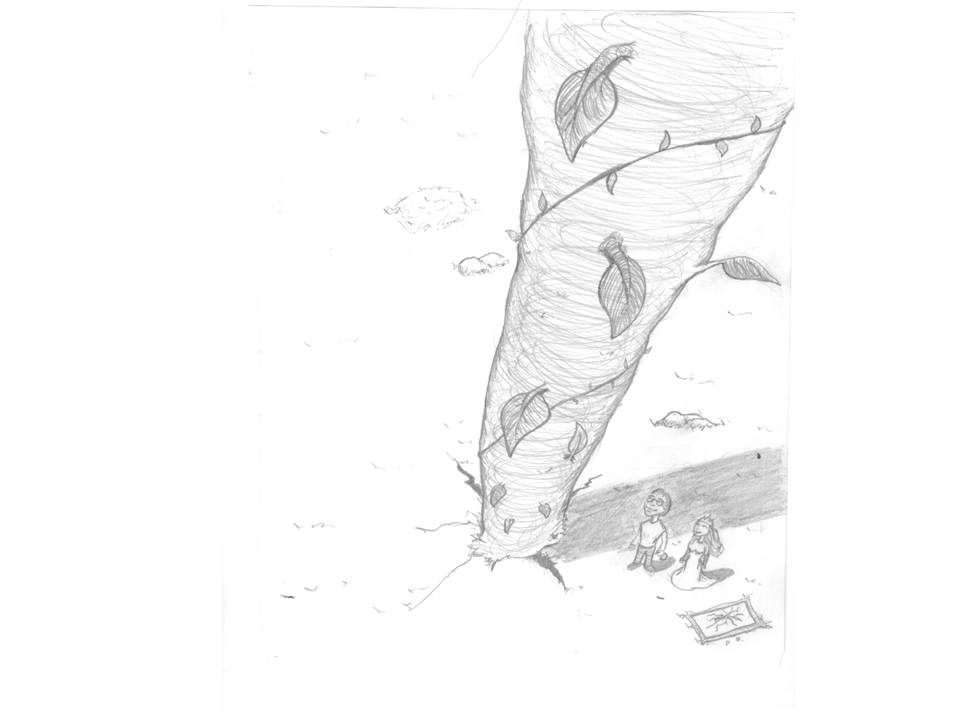
איור: דניאל גורי דה-לימא
"המבטים", היא אמרה, היו הכי מכאיבים"
"יום יום הייתי הולכת לבקר אותה במקום הזה ששמו אותה בו, אמרו שהיא סובלת מתשישות נפשית, ואני ידעתי שדעתה נטרפה עליה בגלל כל מה שקרה. יום יום הייתי הולכת ברגל, בקור, בגשם, בשלג, משתדלת להביא לה משהו קטן שאולי יגרום לעיניים שלה לראות אותי שוב. שום דבר אף פעם לא. המבטים של האנשים היו הכי מכאיבים. מבטים של רחמים ושל פחד ושל זלזול. מבטים יודעים. מבטים שצרבו פצעים של בושה בעור, והיא לא הייתה שם כדי להגיד לי שאין לי – או לה – במה להתבייש, כי היא הפסיקה להתבונן. כנראה שזה פשוט כאב יותר מדי."
מפעם לפעם היא מרימה אלי מבט, לראות אם אני רושמת כל מילה שלה. מתבוננת כדי לראות אם גם אני מרחמת, או מתביישת, או נועצת מבט, או מסיטה אותו, שחס וחלילה לא יידבק משהו מהכאב הנורא הזה שהיא נושאת לבד כבר המון שנים.
"המבטים שלהם, אף פעם אני לא אסלח להם על המבטים שלהם. כי הם ידעו ושתקו, הם לא עשו כלום כשהיא זעקה עד שנשברה. נכנסו לבתים שלהם והגיפו את החלונות והדלתות, והמשיכו לנעוץ מבטים מאחורי חלונות מוגפים כאילו מה שיש לה, או לי, זה מדבק, כאילו שאם הם יסתכלו כך עליי זה אומר שהם בסדר. שהם מוגנים".
היא מכורבלת בכורסא מולי, אישה קטנה, ילדית שכזו. היא מסמנת לי להפסיק לכתוב ולבוא לשבת לידה. אני ניגשת והיא אוחזת בחוזקה בידי, ידה צמוקה וגרומה וקטנה. "תבטיחי לי. תבטיחי שתספרי יום אחד את הסיפור שלה. שתעשי איתה צדק. שידעו כולם שהיא לא הייתה אשמה בכלום. זו האכזריות ששברה אותה. האכזריות של כולם; של מי שהכאיב לה, של מי שנטש."
היא מישירה אליי מבט. מחפשת בעיני את אשר חיפשה לשווא במבטיהם של האנשים ההם. אני יודעת שהיא מחפשת בעיניי את הזעם, את הכאב, את הזעקה שהיא לא יכלה לזעוק, שהיא מחפשת את החיוך הדומע שיגיד לה עד כמה אני שמחה בה.
I haven’t written for a while. I’d like to tell you that I haven’t found time or space, or that I was letting my ideas mature at their own pace. But the truth is that my inner critic paid me a visit and overstayed her welcome. She sat on my shoulder and mocked me like the evil angel in cartoons. And she wouldn’t stop talking. But in the rare moments when she fell silent, my words began to coalesce to form thoughts and sentences.
When I can’t write I turn to all kinds of things. First of all, I talk to myself. I also bake, and I found myself launching into a detailed study of Queen Victoria’s baked goods (scones, to be specific). I walk for hours, attempting to escape my inner critic and hoping I’ll lose her as I turn a corner.
The gaze. I’ve been thinking a lot about gazes and glances lately. I’ve probably spent too much time reading critical theories: Edward Said, Gilbert and Gubar with their madwoman in the attic, Homi Bhabha, Gayatri Spivak, Yehuda Shenhav, Hannan Hever, Louise Bethlehem – and Foucault for dessert. Reading so much literary criticism leaves you helpless in front of the text, forcing you to dive in and trust the text, and trust too in your own ability to wrap it around your finger, knead and sense it, and declare that you’re beginning to understand. So I’ve been preoccupied by the definitive, suffocating, restrictive power of the gaze, and by the strength that comes when we deflect our glance to one side. I’m busy writing stories around this theme.
The Queen and the Mirror
The queen looked at herself in the mirror, suddenly gripped by a sense of weariness with this daily ritual. Again asking who is the fairest of them all, and again hearing the answer that she already knew in her inner heart. She isn’t the fairest of them all – there are others fairer than her. There always were and there always will be. For some time she has been aware that the bored mirror was already turning its glance to others. Sometimes she asks herself why she doesn’t simply break the mirror and have done with it. But that’s not what she’s going to do today.
She missed her daughter Snow White. She understands why she had to move so far away from her and away from the cursed mirror that ruined their relationship with its irritating beauty contests and its incessant judgmentalism.
She removed the heavy velvet cover from the mirror and looked at it, rather than at her image reflected in it. “Though fair ye be…” the mirror began to recite its familiar sentence. “I didn’t ask you,” the queen remarked as she continued to examine the mirror. The mirror was confused, uncertain as to how to react to this new information. Uncertain that it had anything to say other than repeating its well-worn phrases about who was the fairest and such like. The queen drew a determined finger along the decaying wooden frame. “You’re full of dust,” she declared indifferently. She continued to look at the mirror with the same piercing glance it had cast in her direction all these years. “I don’t like it,” the mirror said, like a five-year-old boy who has been chastised for some offense. “Really? You don’t like the way I’m looking at you? You feel exposed, vulnerable, somehow diminished?” The queen inquired in a tone of artificial empathy. The mirror was really scared now. It knew how powerful the queen was. As hard as it tried to catch her in its gaze, she always stayed strong. She could move mountains if she wanted to. But over the years he had always managed to deflect her own gaze and her powers away from himself. He had managed to convince her that Snow White was the enemy. He knew how to flatter her and offend her, and how to send her away to take out her rage on Snow White. But Snow White was far away now. Only the two of them were left, and she wasn’t afraid of him anymore. His comments didn’t bother her. And her gaze was fierce and piercing.
Jack. Jack and the Beanstalk for you
Eventually Mom stopped being mad at me, after she realized that in return for our only cow I had gained the whole kingdom of the evil giant. Not bad for Jack. Dumb Jack, they used to call me. Because I was a bit different, like the people they talk about at school on special days when they teach us about the proper attitude toward “the other.” Those were the only days when I didn’t get beaten up in recess. At first I believed everyone when they called me dumb, because they really did seem different from me, and they were in the majority. But no-one dares to call me Dumb Jack anymore because I beat the evil giant. Everyone believes that I expelled him for ever after climbing the magic beanstalk up to the clouds, fighting and tricking him and winning all his treasure. Now everyone wants to be friends with Dumb Jack.
It’s true – for a long time I believed them. If people tell you something enough times, eventually you begin to believe it. All the time I heard them saying “he’s got ants in his pants” and wondering whether “a different framework might be better suited to him.”
But like I said, everyone wants to be friends with dumb Jack now. Because if I was so successful and managed to get to rich and powerful, then they must have been wrong about me and I’m actually a big success story. And all this thanks to the giant.
When I got up there to his palace in the clouds, he gave me a long, hard look.
“Who are you?”
“Jack, Mister Giant. Dumb Jack.”
“Dumb? You certainly can’t be dumb if you’ve made it all the way up here. I’ve been waiting for years for someone to have enough sense to take the dry beans, plant them, wait for them to grow and then climb up here. You’re the first person who had what it takes to do that.”
“What it takes?”
“Come on, do I really have to spell it out for you like the moral at the end of a fairy tale? You had the imagination, the hope, the faith, the patience, the courage… In a nutshell – all the qualities of the hero in a story.”
No-one had ever spoken to me like that before. No-one had ever looked at me in that way. I completely lost my fear. Moving forward, I sat next to him.
“So what happens now? Why was it so important for you that someone would come up here?”
“Because I want to quit. I’m tired of frightening everyone. I never imagined how much damage frightened people can do.”
“So why did you keep on frightening them?”
“Because it was a very powerful thing, it was hard for me to give it up…”
So basically the giant and I had this long chat. It’s not like we became friends or anything, but the way he looked at me changed my life. For the first time someone was looking at me and didn't laugh or scold me when I looked back. Actually he seemed to need my glance, as if he hadn't seen himself for a long time.
In the end he did good by me, that giant. He agreed that I could tell everyone that I fought him and won so that they’ll all think I’m a hero and they’ll realize that I’m not dumb. I think this giant was actually my good fairy, because as soon as he had finished his task he vanished.
Since then, I get invited to all kinds of places to tell my story. Every time, in every school, I look around for those kids. The ones who get put next to the teacher so they don’t disrupt the class. The ones who seem to be dreaming instead of listening. The ones who hope that today, because it’s “Different Children’s Day,” they won’t get beaten up in recess. I look for their eyes.
Illustration by Daniel Gouri De Lima
“The glances,” she says, “were what caused me the most pain”
“One day I went to visit her in that place where they put her. They said she was suffering from mental exhaustion, but I knew that she had lost her mind because of everything that had happened to her. Every day I used to walk in the cold and rain and snow. I tried to bring some little object with me that might make her eyes see me again. But nothing worked. The glances people cast at her were the worst. Knowing glances. Glances that burned wounds of shame in the skin. And she wasn’t there to tell me that neither I nor she had anything to be ashamed of, because she’d stopped looking. I guess it was just too painful.”
Every so often she looks up at me, checking that I am recording every word she says. Checking to see whether I look pitying or ashamed. Whether I am glancing at her or looking away, lest I be infected by any of the terrible pain she has carried alone for so many years.
“Their glances… I will never forgive them for their glances. Because they knew and they remained silent. Because they didn’t do anything when she cried out until she was broken. They went inside their homes and closed the windows and doors, and they kept on looking out from behind their closed windows as if what she has, or what I have, is infectious. As if looking at me like that means that they are okay. That they are protected.”
She curls up in her armchair in front of me, a small, childlike woman. She signals to me to stop writing and to come and sit next to her. I go toward her and she holds my hand firmly. Her own hand is withered, bony and small. “Promise me! Promise me that one day you will tell her story. Promise me that you will see that justice is done to her. Everyone must know that she wasn’t to blame for anything. It was the cruelty that broke her. Everyone’s cruelty – those who hurt her and those who abandoned her.”
She looks straight at me, searching in my eyes for what she has sought in vain in the glances of those people. I know she is looking for the rage in my eyes. For the pain, for the cry she cannot shout out herself. I know that she is looking for the tearful smile that will let her know how grateful I am for having her in my life.
המתנה הגדולה ביותר שקיבלתי השבוע הייתה הסיפור הזה, פרי עטה של שאהד אבו-חמד. מחנכת לשינוי ומנהיגה מעוררת השראה. הנה הסיפור שהיא מבקשת לחלוק עימכם/ן.
מחלה קטלנית ושמה גזענות מאת שאהד אבו-חמד, מחנכת לשינוי
"השינוי מתחיל מתי שהשתיקה נשברת" זה מה שקראתי בבלוג של מספרת סיפורים נהדרת שמאמינה בכל ליבה במשפט זה .
כשקראתי את המשפט הזה שקעתי לכמה רגעים מנסה למצוא את המילים לתאר את הסיפור שחוויתי השנה כגננת לחינוך מיוחד, כמובילה לשינוי חברתי בדרך בה אני מאמינה, בחינוך מלא אהבה, מכבד ומאמין בכל ילד וילדה. שנה ראשונה כמחנכת בגן קסום של תשעה נסיכים ונסיכות וצוות טיפולי רחב שנותן מכל הלב.
מנהלת המקום אשר אחראית על כ- 90 ילדים במסגרת ומונתה באותה שנה (2012-2013) למנהלת בית הספר והגנים לקתה במחלה קשה בה העיניים מתחילות לראות את כולם באותו צבע, האוזניים שומעות רק את אותם הצלילים והלב מפסיק לפעום בחופשיות ובחוזקה אלא רק לשם ביצוע אותו תהליך פיזי של נשימה.
עקב מחלה זו המנהלת ראתה אותי כבעלת לבוש מרתיע, הצבע שלי ושל חמשת הילדים הערבים מתוך התשעה בגן לא הלם את הצבעים להם היא רגילה, ושמיעת שפה אחרת צרם לה עד למניעת דיבור בשפה הערבית עם הילדים ובין הצוות. לטענתה דבר זה מונע ממנה לעשות כור היתוך, ומסגרת זו היא מסגרת יהודית בלבד. את אותם הילדים צריך לצבוע באותו צבע או שימצאו להם מקום אחר; אף אחד לא הכריח אותם לבוא.
ליבי נעלם דום ולאורך השנה ניסיתי לדבר ולפלס בכל זאת דרך ביני לבין אותה מנהלת אשר לקח לי זמן להבין שמחלתה קשה מאוד יותר אפילו מסרטן. חשבתי שאהבה תרפא אותה, השליתי את עצמי שהאנושיות בסוף תנצח, התכחשתי בעוצמה עד שהמנהלת לא יכלה עוד לשרוד, האהבה המלבלבת, החיבוקים והנישוקים שהיו בין הילדים בצבעים השונים הגבירו את תופעות המחלה וחום גופה עלה, לא יכלה עוד לשאת זאת במיוחד כאשר ההורים הצטרפו לתמונה וחשו שכולם בגן כמו משפחה. הגיע סוף השנה ואיתה שיחת סיכום ובה נשאלתי מה הייתי רוצה לשנה הבאה אמרתי לכבודה שאם רק תרצה הילדים יהיו מאוד מאושרים לשמוע עוד שפה, אם רק תוכלי להבריא ולנסות לראות אותם כמו שהם ותאהבי אותם כמו שהם, תכבדי ותקבלי אותם כמו שהם האם זה אפשרי? או שהדבר עלול…..לא סיימתי את המשפט וכבר הופיעו תופעות לוואי שהתבטאו באדמומיות בצבע הפנים, עיוורון מוחלט ויריקת אש מהפה " איך את מציבה זאת כתנאי, שפה ערבית לא תהיה כאן".
יצאתי מפוחדת, חסרת תקווה ומיואשת כמו שאף פעם לא הייתי קודם….חזרתי הביתה ולא יכולתי לשאת זאת עוד כולי הייתי תקווה שמפקחת בית הספר מכירה את המחלה שיש למנהלת ותסכים לתת איזושהי תרופה. "למנהלת יש את הזכות לעשות את סדר העדיפויות המתאים לה" כך השיבה לאחר ששמעה את כל הסיפור "
אני- " ואין שום תרופה שכתובה בספר החוקים של משרד החינוך המחנך לכבוד האדם, לצדק ושוויון?" שאלתי בתדהמה
המפקחת- " לא אני לא רוצה להיכנס לחוק בואי נשים את החוק בצד"
אני- " את יודעת על איזה מחלה מדובר?"
המפקחת- אין תשובה
אני- " קוראים לה גזענות"
המפקחת- " אני לא אוהבת את המילה הזאת"
אני- " אך היא קיימת"
המפקחת- " אני לא אוהבת את המילה הזאת אם את רוצה אזמן את שתיכן לשיחה"
עניתי בשלילה, סיימתי את השיחה ופרצתי בבכי ללא יכולת להפסיק צעקתי וטבעתי בים של תסכול, איך אני אמורה להתנהל מול שתי נשים חולות ועוד לתת אמון ולהגיע איתן לשיחה. הרגשתי שאם אסכים עוד להמשיך להילחם כפי שנלחמתי עד כה אדבק במחלה חשוכת המרפא ללא מוצא.
יומיים לאחר מכן זימנה אותי המנהלת בסוף יום לשיחה חשובה וביקשה ממני למהר שכן יש לה המון דברים לעשות, פניה נראו יותר טוב באותו יום, נשמה יותר ברוגע והתיישבה מולי בנחת ואמרה "עקב חזרה מפתיעה של מישהי במערכת את נאלצת לעזוב".
שתקתי וחייכתי חיוך לא מובן, אבן גדולה הוסרה מליבי באותו רגע ואיתה צעקה כואבת של שברון לב, התפוגגות החלום של מחנכת קטנה וחסרת ניסיון על שוויון וצדק שיכול להתקיים לפחות בעולם הילדות, על אהבה ללא תנאי והזכות של כל אדם להיות מי שהוא. כעת אני מנסה לאסוף את החלקים שבתוכי כדי להמשיך ולהיאבק במחלה זו חשוכת מרפא שהדרך היחידה להילחם בה היא להמשיך ולהתנגד לה בכל החושים לומר "לא" בקול ברור וחזק ולזכור תמיד " ששינוי מתחיל מתי ששתיקה נשברת".
I always believed that sharing stories was a good way to help other stories be told. So, the biggest gift I received this week is this story, told by Shahed Abu-Hamad, an educator for change and an inspiring leader.
A fatal disease called racism, by Shahed Abu-Hamad, an educator for change
"Change begins when silence is broken", is what I read on the blog of a storyteller who believes in this wholeheartedly.
As I was reading this phrase, I found myself searching for the words to convey my own story, as a special education pre-school teacher, as a leader for social change who believes in education based on love and respect for and faith in every little boy and every little girl. It was my first year as a pre-school teacher in this magical kindergarten, with nine princes and princesses, and with staff members totally invested in the children's happiness and wellbeing.
The newly appointed school principal, in charge of some 90 children, contracted a fatal disease, whose symptoms are: eyes who can see only in one color, ears that can hear only a handful of similar notes and a heart that forgets to beat powerfully and freely.
The disease caused the school principal to find my attire offensive; my color, and that of five of the Arab children in the pre-school program, was incongruent with the colors she was used to; and the sound of another language spoken was so unpleasant to her, to the degree that she banned speaking in Arabic with the kids and amongst the staff members. She said it was counterproductive to the melting pot process, and that this was a Jewish framework. She said the Arab kids should be of the same color as the other kids; or else find another place to go; no one forced them to come here in the first place.
My heart went silent. I tried, throughout the year, to reach out to her, until I realized that her disease was indeed fatal. I thought love would cure her; I wanted to believe that our shared humanity will help her overcome her disease. I refused to see things as they were, and her conditions deteriorated even more. When she saw the love and warmth that the children of different colors had for each other, it only made her worse. She just couldn't take it, especially when the parents celebrated the gift of love and diversity and felt like we were all one big family.
At the yearend meeting, she asked me what my plans and hopes were for next year. I told her that I think the kids in the kindergarten would love to hear different languages; and that if only she could recover from her disease she could really see them and love them as they are and for they are. I asked her if she thinks she could do that, or perhaps… I didn't even finish the sentence; her symptoms became ever worse: her face was all red, she was totally blind , and fire came out of her mouth: "How dare you ?! There will be no Arabic spoken in this school!"
I came away from that meeting frightened, hopeless and helpless like I've never been before. I just couldn't take it anymore. My hope was that the school supervisor would acknowledge the principal's disease and would agree to offer some remedy. "The principal has a full right to set her own priorities" – said the supervisor – having heard the whole story.
"And is there no cure in the Ministry of Education's book of laws? Something about educating for human dignity, justice and equality"? I asked.
"Let's not go there", said the supervisor.
"Do you know the name of the disease that is ailing her"? I asked
No response.
"It's called RACISM", I said.
"I don't like this word", said the supervisor.
"But it exists, nevertheless".
"I don’t like this word. If you want, I could invite both of you to have a conversation".
I said no; finished the conversation and burst out crying. I couldn't help myself; I was drowning in a sea of frustration. How was I supposed to have real dialogue with two women, struck by such a disease? How could I trust them? I was afraid that if I will have to go on fighting – as I did this whole year – I will end up getting sick myself.
Two days later the school principal asked me to step into her office and be quite quick about it, as she had loads of other things to do. She looked much better. She looked at me calmly and said: "a former staff member is coming back to work with us, so you're going to have to leave".
I kept silent and smiled a vague smile. A huge stone was taken off my chest, but at the same time, I let go of a huge cry; a cry made of heartbreak and the shattered dreams of a young and inexperienced educator; dreams of equality and justice that could at least prevail in the world of children; dreams of love that knows no boundaries; dreams of every person's right to be who he or she is.
Now I am trying to pick up the pieces of my broken heart; to find the strength to fight this fatal disease, because the only way to fight it is to resists it with all my senses; to say "no" to it with a voice so loud and clear; and to always remember that "change begins when silence is broken".
Many, many years ago, I was a little girl; a little chubby, with spectacles, and very innocent. I was walking home from school, when I saw them, waiting for me at the street corner, the girls who were my friends and class mates. I did not expect or foresee what ensued. They had me down on the ground, and L., who wore heavy orthopedic shoes, kicked me right in the chin. They laughed. I cried, of course. But when they saw the blood shedding from my chin, I think they were a little scared, and a little sorry. "Oh, kids can be so cruel sometimes", said the adults with a frown, as if this cruelty came out of nowhere, as if it weren't acquired. As if kids didn't reflect back to adult society what they learned about bullying and abusing those who were weaker.
This childhood story came back to pay me a visit tonight, as I was writing about this notion of helplessness, when I take a symbolic kick to the chin. That first, overwhelming sense of helplessness when I read the newspaper, watch the news and get outraged by an elected official's hate speech.
So, I wanted to write about that feeling of frustration, of clenched fists and tightened jaws in the face of smugness.
Then I wanted to write about frustration transformed into the desire to act; to strike a pin in the pompous hot air balloon; To scream at the top of my lungs that the king is naked and stupid.
I wanted to write about change that will come; that could come; that should come.
So, here are two stories about power relations and about using wisdom to shift power relations.
There was a king in Copenhagen. He was exploring the stalls of a market one day when he saw a fine tent with a notice outside, `Wisdom for sale.’ He asked the proprietor how much the wisdom cost.
“It isn’t cheap. Wisdom costs £100 a portion,” replied the young man.
The king thought this was expensive.
“I can’t sell it for less,” insisted the young man.
The king decided to buy a portion anyway and handed his money over.
The young man looked at the king thoughtfully.
“Consider all eventualities,” he said.
That was all the king got for his money.
Eight days later, he called the royal barber to give him a shave.
“I warn you,” he said to the barber, “if there is one drop of blood
on either my face or the razor, I’ll have you beheaded.”
The barber was too terrified to shave the king and he was asked
to fnd a replacement. He returned home and told his apprentice
that he was needed at the castle.
“You are going to shave the king,” he explained,” but there is a condition.”
A short while later, the apprentice presented himself at the king’s castle .
“You understand the condition?” asked the king.
“My master’s explained everything,” replied the boy.
The king’s face was soaped and shaved without a drop of blood being shed. The king looked at himself in the mirror.
“Well done,” he said to the boy, “but weren’t you the least bit nervous?”
“No, Your Majesty,” said the apprentice. “I always consider all eventualities.”
“What do you mean?” asked the king.
“If I’d nicked your face accidentally, I’d have given you a much bigger cut across your throat.”
The king was so pleased with the answer that he promoted the boy to court barber.
A dear fellow storyteller, Stephen Badman, shared this story with me. I like it; I think it's a great story about the limits of power; about the fragility of those in power, especially when faced with those who dare speak truth to power. The king threatened the court barber that he will behead him, should he spill even a drop of his blood; but the apprentice reminded the king that he has the power – and the capacity – to not only cut his chick, but his throat as well…
The Puss in Boots: subversion or inversion
Toulouse, our gorgeous kitten marches every now and then into my tiny and very untidy office, jumps into my lap and purrs. There is something about this little furry creature that makes me take a pause, stroke his neck and play with him, until he's had enough. He then leaps down, lands softly on all four and moves on. He's just too adorable; so independent, yet so indulgent, at the same time, and always on his own terms.
Toulouse reminds me of the Puss in Boots. That special talking cat; the trickster, who thanks to his inventiveness, initiative and presence d'esprit succeeded in securing for his master, the son of a mill owner, all he could ever dream of and more: a luxurious castle, ample farm lands and the hand of the princess in marriage. And how does he do it? Well, first, he's just a great PR wizard, who knows that what really counts is what people believe in, and not what is true or false. And how does he overcome the terrible giant sorcerer? He shifts the power relations. He makes the sorcerer turn himself into a little mouse, and then devours him. And how does he make him do that? He teases him; challenges his ego, plays a reverse psychology number on him. He tells the sorcerer that he doesn't believe he could turn himself into a tiny animal, such as a mouse. The giant sorcerer the has to prove that he can. His vanity is the end of him.
This folk tale, like many others, was created and told at a time when kings and nobles were born into their status, wealth and privilege, and when poor people could only tell stories about overcoming mighty sorcerers and claiming their assets.
But is the story of Puss in Boots merely a story of inversion; of the success of one individual to rise from rags to riches?
Folk tales are always more, always about more than what first meets the eye. Folk tales were always a way to criticize social injustice, to point to that which is good and that which is bad in the human nature. The mighty sorcerer stands for the evilness, cruelty and arbitrariness of power without limits, of those who hold the social standing and wealth; who gain more and more of both at the expense of the hard working folks.
The Puss in Boots is yet another story about the limits of power. Every mighty ruler has its blind spots and Achilles heel, which we can use to promote social change; whether it is vanity, or an over inflated ego, or complete loss of contact with real people and their real needs and concerns.
OK. I got a little carried away, perhaps, or hit a writing block. But then Daniel, my illustrator, gave me his interpretation to my text. Our very own Toulouse – as a Super Puss in Boots. Our Toulouse, as a super hero, who knows that with great power, comes great responsibility to do good.
I hope these stories will remind us all just how important hope is; how important hope for positive change is; remind us that we have the capacity to bring about change; not by force of magic, but by transforming frustration into agency, and into the power to do good.
[1] Collected by the Danish Folklorist, Evald Tang Kristensen, translated into English by Stephen Badman.